
How Poor Renovation Planning Destroys Project Value
Poor planning creates cost overruns and lost value in renovations. Riley Riley Construction highlights planning pitfalls and mitigation strategies.
Renovations present opportunity and risk in equal measure: executed well, they increase utility, revenue potential, and occupant satisfaction; executed poorly, they create cascading cost overruns and erode long-term value. This page explains common planning failures and practical mitigation strategies, drawing on field experience to show why early attention protects owner value. Riley Riley Construction offers a pre-construction readiness review to identify gaps and align teams before work begins.
Many owners underestimate how decisions made in the earliest phases determine final outcomes. The phrase "how poor renovation planning destroys project value" captures both the financial and operational losses that occur when scope, budget, schedule, or stakeholder needs are not coordinated. We outline clear, implementable steps you can take to limit risk and preserve capital, and we explain what a focused readiness review covers.
Common planning pitfalls that lead to overruns
Poor scope definition is the single most frequent cause of overruns. When scope is vague or changes constantly, contractors add contingencies to their bids and schedules expand. Misaligned expectations between owner, design team, and contractor create rework and disputes. Unclear specifications or deferred decisions about finishes, systems, or phasing translate into higher change order volume and unpredictable costs.
Other frequent pitfalls include inadequate site investigation, unrealistic scheduling, and insufficient budget contingencies. Hidden conditions discovered after demolition-structural deficiencies, hazardous materials, or undocumented utilities-can force expensive redesigns. Scheduling that fails to consider lead times for critical long-lead items causes stoppages and acceleration costs. Together, these failures explain much of the erosion in project value.
- Vague or evolving scope without a formal change process
- Incomplete existing conditions assessment
- Underestimating contingency needs and escalation
- Poorly sequenced work that disrupts operations
- Weak communication among owner, design, and contractor
Financial consequences: cost overruns, delays, and lost returns
 Renovation budgets are typically created from assumptions; when those assumptions fail, costs grow. Small scope creep items accumulate into large change orders. Every week of delay has a hard and soft cost: direct contractor costs, extended site supervision, lost revenue from unavailable space, and reputational impact. Owners often discover late that their anticipated return on investment has been substantially reduced by avoidable overruns.
Beyond immediate expenses, poor planning damages capital efficiency. An over-budget renovation may force reductions in quality, eliminate desired upgrades, or push projects into a deferred maintenance cycle that lowers asset value. In commercial settings, delayed occupancy or tenant fit-out increases vacancy risk and undermines leasing timelines. Accurately modeling these implications is critical to preserve projected returns.
Operational and intangible losses caused by inadequate planning
Not all costs are line-item expenditures. Renovation projects touch people, processes, and operations. Disruption to ongoing activities can erode productivity, increase safety incidents, and reduce customer satisfaction. In healthcare, education, or retail environments, these impacts directly affect revenue and service delivery. Failing to account for operational constraints during planning magnifies risk and often leads to rushed, expensive mitigation measures.
Other intangible losses include damages to brand reputation and stakeholder relationships. Repeated delays, unexpected closures, or visible construction issues can diminish trust with tenants, patrons, or the public. These effects are difficult to quantify but can translate into measurable revenue loss and increased costs for future leasing or marketing. Early planning that balances construction needs with operational continuity protects both revenue and reputation.
How poor renovation planning destroys project value: real-world examples
Consider a mid-size office renovation where asbestos-containing materials were not identified during the pre-demo survey. Work halted, abatement was required, and the owner faced emergency procurement of remediators at premium rates. The result: three months of delay, a 20% cost escalation on the demolition package, and tenants moving out for extended periods. This scenario exemplifies how overlooked conditions become large line-item losses.
In another case, a retail center replaced its HVAC without coordinating tenant schedules or verifying ceiling clearances. The selected unit required additional structural work, and the vendor's lead time was underestimated. The owner paid for accelerated delivery and night-shift installation to meet a grand opening, increasing mechanical costs by 15%-30% and compressing margins on the entire project. These examples illustrate the chain reaction that starts with incomplete planning.
Risk mitigation strategies that protect owner value
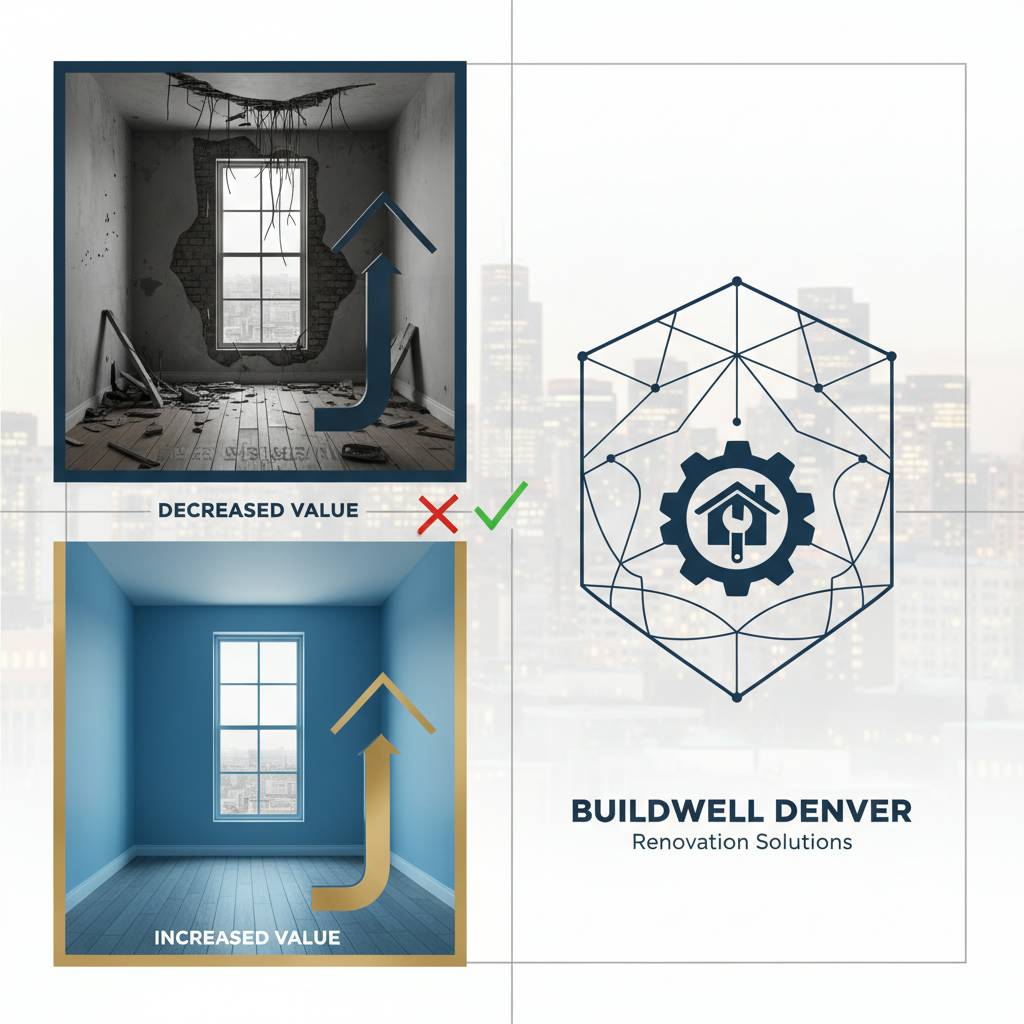 Mitigating the risks that erode value requires deliberate planning actions, not hope. Begin with rigorous existing-conditions due diligence: thorough site surveys, utility locating, and testing for hazardous materials. Establish a baseline scope with clear deliverables and a formal change management process so that every modification is evaluated against schedule and budget impact. These steps reduce surprises and enable informed decision-making throughout the project.
Financially, owners should build realistic contingency and escalation assumptions into their budgets. Contingency is not padding; it is a tool to manage unknowns. For many renovations, contingency ranges of 5%-20% are appropriate depending on building age, system complexity, and site conditions. Conservative escalation assumptions for material and labor cost volatility help prevent shortfalls that force rush procurement or scope reductions.
Early engagement and collaborative contracting
Engaging key trade partners early-especially for mechanical, electrical, and structural systems-reduces design conflicts and identifies constructability issues before bidding. Collaborative contract models, such as design-assist or early contractor involvement, help align incentives and reduce adversarial change orders. These approaches create a shared understanding of constraints, value-engineering opportunities, and realistic schedules that preserve owner value.
Communication, documentation, and governance
Robust governance and communication protocols are essential. Establish a project decision matrix, designate single points of contact for core stakeholders, and require documented approvals for all changes. Regular risk reviews and cost-schedule reconciliations keep the team focused on trade-offs and mitigations. Consistent documentation reduces dispute risk and creates an auditable trail that supports faster, fairer resolution when issues arise.
Practical readiness checklist: what a pre-construction review should cover
A structured pre-construction readiness review evaluates the project against a checklist of items that typically cause overruns. This is not a superficial audit; it is a technical and commercial review designed to uncover gaps that materially affect cost and schedule. Items reviewed include existing conditions, procurement strategy, schedule realism, stakeholder constraints, and contractual clarity.
- Existing conditions verification: surveys, hazardous materials testing, and utility locates
- Scope completeness and exclusions: drawings, finishes, MEP systems, and phasing plans
- Procurement risk: long-lead items, vendor qualification, and bid-packaging strategy
- Schedule validation: realistic sequencing, float analysis, and critical-path identification
- Contractual clarity: risk allocation, change order process, and payment terms
When these elements are assessed and aligned before demolition or mobilization, owners significantly reduce the chance that the project will deviate from its financial and performance targets. A focused readiness review is a relatively low-cost investment compared to the expenses associated with major change orders or program delays.
Comparing planned projects to those with inadequate planning
| Aspect | Well-planned Renovation | Poorly Planned Renovation |
|---|---|---|
| Scope Control | Defined scope with formal change management | Vague scope; frequent unplanned changes |
| Schedule | Realistic phasing and float | Compressed timelines and stop-start work |
| Cost Predictability | Contingency and escalation accounted for | Reactive spending and emergency premiums |
| Operational Impact | Minimized disruption through coordination | Significant downtime and productivity loss |
How Riley Riley Construction conducts a pre-construction readiness review
The readiness review performed by Riley Riley Construction focuses on aligning technical, commercial, and operational elements before ground is broken. We examine drawings, verify existing conditions through targeted investigations, and validate the procurement approach for long-lead equipment. Our team also evaluates the schedule against realistic lead times and coordinates stakeholder constraints to avoid downstream clashes that drive costs up.
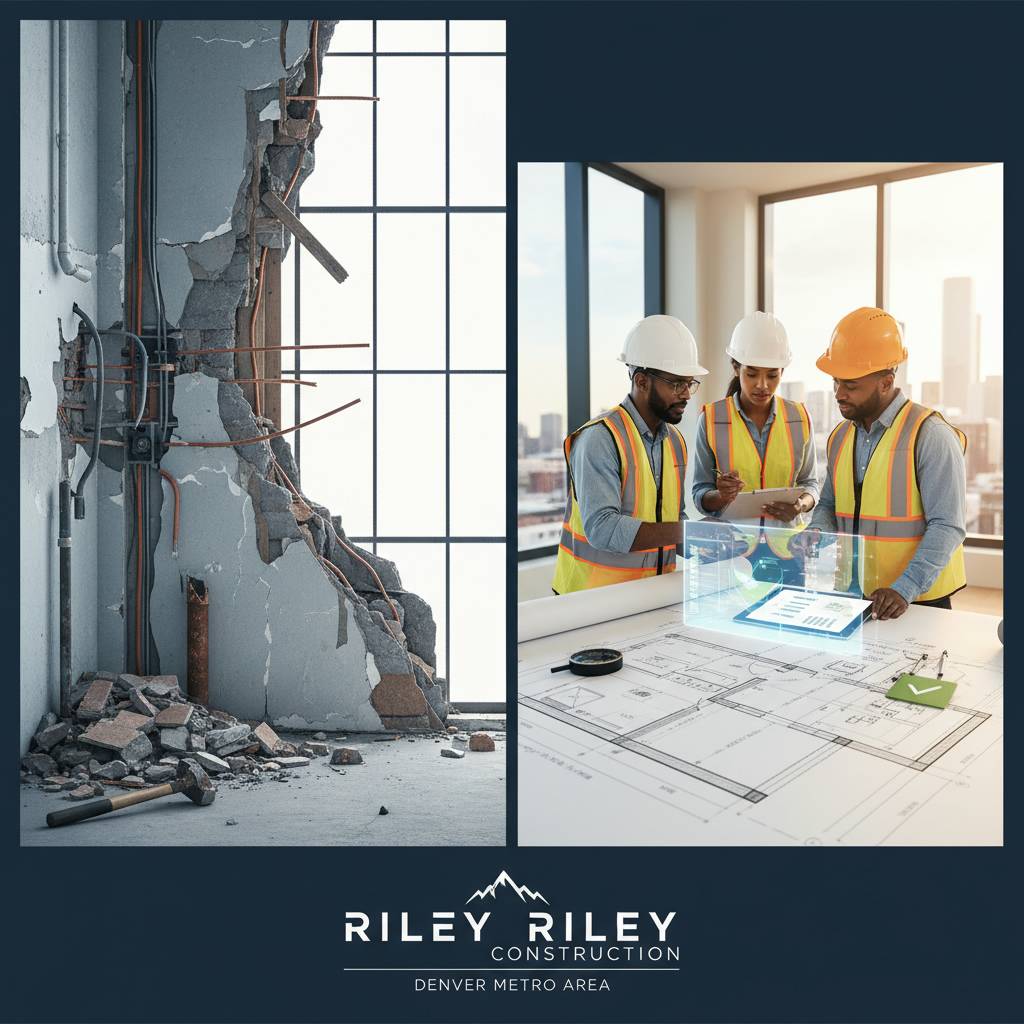
and our senior reviewers prioritize actionable findings and provide a ranked list of remediation items with estimated cost and schedule impact. Rather than presenting a long list of theoretical risks, we offer practical, prioritized recommendations that owners can implement or assign to the design and construction teams. The objective is straightforward: identify risks that materially affect value and enable timely, cost-effective mitigation.
Implementation actions owners can take immediately
Owners do not need to wait for the start of construction to protect value. Immediate actions include commissioning a targeted site assessment, establishing a decision-maker roster, and requiring contractor pre-qualification for key trades. Updating budget models with conservative contingency and escalation assumptions and asking for schedule sensitivity analyses from bidders produces a clearer sense of realistic outcomes.
Early procurement of long-lead items under owner direction or through early contractor involvement reduces risk of schedule-driven cost increases. In many projects the incremental cost of early procurement is small compared to the cost of accelerated delivery later. A strategic procurement plan also allows owners to secure more competitive pricing and reduces the likelihood of premium change orders.
Frequently asked questions
What are typical contingency levels for renovations?
Contingency depends on project complexity, building age, and unknowns. For straightforward interior renovations, 5%-10% contingency is common; for projects with significant unknowns, such as older buildings or complex systems, 10%-20% is prudent. The contingency should be tied to identified risks and adjusted as investigations reduce uncertainty during design.
How much can a readiness review save?
Savings vary by project, but owners often recoup many times the cost of a readiness review by avoiding a single large change order or reducing acceleration costs due to schedule disruptions. In conservative estimates, avoiding one major change or two weeks of downtime typically pays for a thorough review and provides measurable protection for project returns.
Call to action
 If you want to prevent the avoidable losses associated with poor renovation planning, schedule a pre-construction readiness review. Riley Riley Construction helps owners identify the highest-impact risks early and provides prioritized, actionable recommendations to keep budgets and schedules on track. Call 17207828897 to arrange an assessment and protect your project value.
Protect your capital and your timeline by addressing risks before construction begins. A short, targeted review can save significant time and money and preserve the intended benefits of renovation work. Reach out to Riley Riley Construction at 17207828897 to discuss how we can help you avoid overruns and safeguard the value of your asset.