
How Commercial Renovations Increase Customer Conversions
Renovations can improve customer experience and conversion rates. Riley Riley Construction optimizes layouts finishes and lighting to guide customer behavior. Call 17207828897 to review upgrades that support sales goals. We measure design impact to justify the investment.
Every retail or customer-facing space is an opportunity to influence behavior. Thoughtful renovations change how people move, what they notice, and how long they stay. When you consider how commercial renovations increase customer conversions, you're looking at more than aesthetics: you're creating better sightlines, clearer decision points, and a comfortable environment that encourages purchase. Riley Riley Construction helps translate those goals into practical improvements that support measurable sales outcomes.
Renovations don't need to be disruptive to deliver results. By prioritizing layout, finishes, and lighting, you can steer customer attention toward high-margin items, reduce friction at the point of sale, and improve perceived value. Whether your space is a boutique, caf, showroom, or service center, targeted changes can produce faster returns than many marketing campaigns. Call 17207828897 to schedule a review-Riley Riley Construction will help you identify upgrades with the highest impact.
Why layout, finishes, and lighting matter
Layout defines the journey customers take. An intuitive flow reduces confusion and increases discovery: when shoppers can naturally find complementary products, average basket size grows. Finishes communicate quality; durable, well-chosen materials elevate product perception and can justify higher price points. Lighting highlights merchandise and creates ambiance, increasing the likelihood of a purchase. Combined, these elements form a cohesive sensory experience that influences decisions quietly and effectively.
Practical adjustments often deliver disproportionate value. Small changes such as widening aisles, adding a focal display near the entrance, or upgrading to warmer accent lighting can lift conversion without a full remodel. These improvements are tactical: they solve specific behavioral problems like bottlenecks, poor visibility, or unclear product hierarchy. Practical planning and staged implementation allow you to capture early wins and scale investments as you measure uplift.
| Element | Typical Impact | Estimated Upgrade Range |
|---|---|---|
| Reconfigured layout/flow | Higher dwell time, easier discovery | $2,000-$25,000 |
| Accent and task lighting | Improved highlighting and mood | $75-$200 per fixture |
| Refinished floors and walls | Perceived quality improvement | $5-$30 per sq ft |
| Signage and visual cues | Clearer wayfinding and promotions | $200-$3,000 |
Designing the space to guide customer behavior
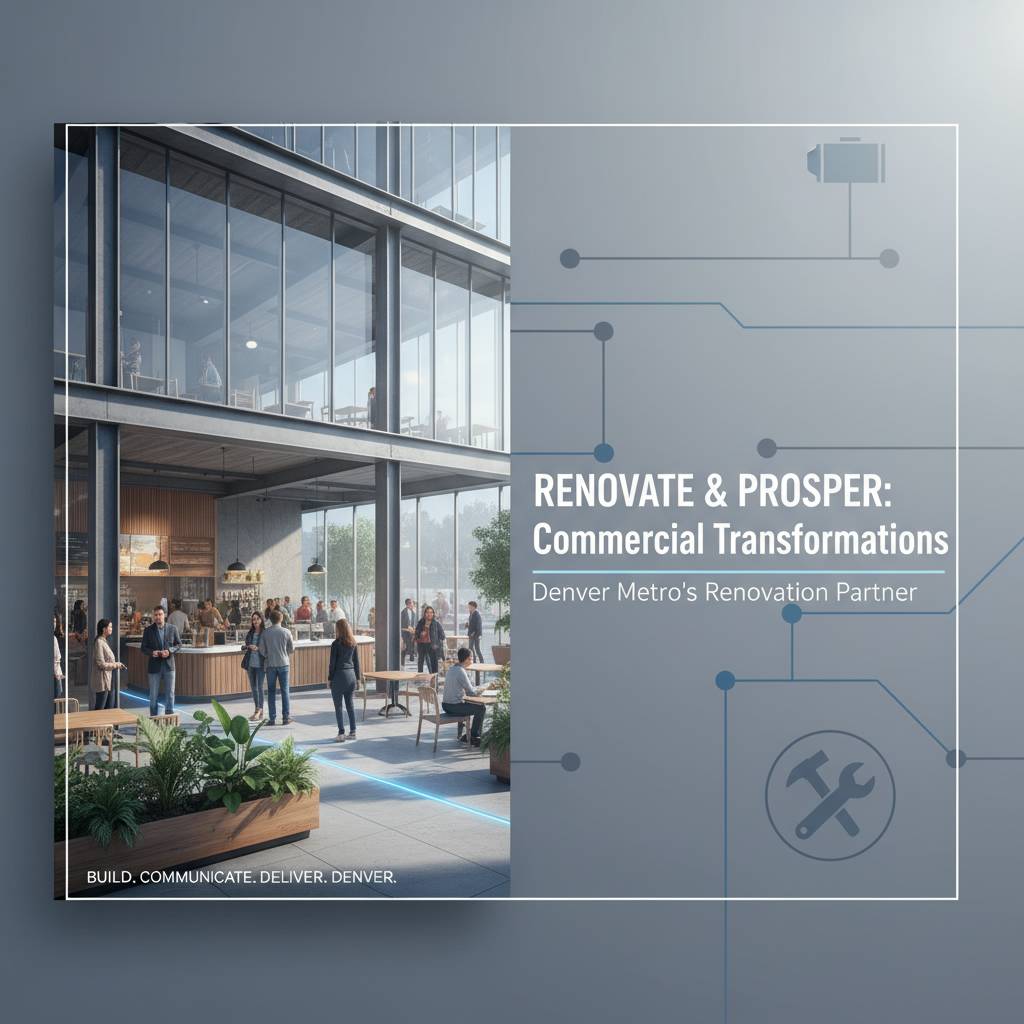 Good design makes choices easy. Instead of telling customers what to do, it arranges the environment so the right choices are the easiest ones. Entry zones should beckon and present a compelling first impression; core product areas should be organized by intent and price; checkout should feel efficient and rewarding. By sequencing experiences, you create natural upsell opportunities and reduce decision fatigue.
Pathing, sightlines, and focal points
Pathing determines the average route shoppers will take. Align aisles and displays so sightlines lead customers to featured products or promotional islands. Focal points-endcaps, illuminated tables, or curated displays-act as behavioral magnets. When used strategically, these features interrupt routine browsing in a way that encourages exploration without frustration.
Micro-zones and sensory cues
Break a large floorplate into micro-zones to create intimacy and context. Use texture and color to differentiate zones-for example, a soft carpet area for high-touch luxury items and a warmer, acoustically damped zone for service consultation. Subtle sensory cues such as scent, sound level, and lighting warmth reinforce the intended product story and can increase conversion rates by aligning emotion with purchase intent.
Lighting and finishes: small investments with big returns
Lighting is a powerful psychological tool. Layered lighting-ambient, task, and accent-gives you control over mood and attention. Ambient lighting sets the base comfort level, task lighting helps customers evaluate products, and accent lighting creates drama. Upgrading to energy-efficient fixtures can also reduce operating costs while improving visual quality, creating a double benefit for conversion and margins.
Finishes speak to durability and brand positioning. Matte, tactile surfaces can encourage touch and closer inspection, while glossy, reflective finishes suggest luxury when used selectively. The right finish palette also minimizes maintenance visible to customers: stain-resistant fabrics and scuff-resistant flooring keep spaces looking fresh longer, helping maintain conversion rates over time without constant upkeep.
- Choose warm lighting (2700K-3000K) for hospitality and apparel to create comfort.
- Use neutral, higher-CRI (90) fixtures for color-critical environments like cosmetics.
- Pair durable floor finishes near high-traffic pathways with softer materials in display zones.
How we measure design impact and justify investment
Design decisions should be accountable to measurable results. Riley Riley Construction recommends a before-and-after framework that pairs baseline sales metrics with observational data. Key performance indicators typically include conversion rate, average transaction value, dwell time, and sales per square foot. Where possible, use time-series data and seasonally adjusted comparisons to isolate the effect of renovation from normal business fluctuations.
Digital tools make measurement practical and precise. Video analytics, people counters, POS attribution, and heatmaps show where customers spend time and where they convert. Small, low-cost sensors or temporary monitoring systems can be installed during pilot phases to provide the evidence you need to expand investment confidently. This data-driven approach reduces risk and frames the renovation as a revenue-generating initiative rather than a cost center.
- Establish baseline metrics for at least 4-8 weeks before any changes.
- Implement renovations in phases to isolate variables and measure impact.
- Monitor results continuously for a minimum of 8-12 weeks post-implementation.
- Refine layout and visual elements based on observed behavior and sales data.
Case studies: realistic outcomes from targeted renovations
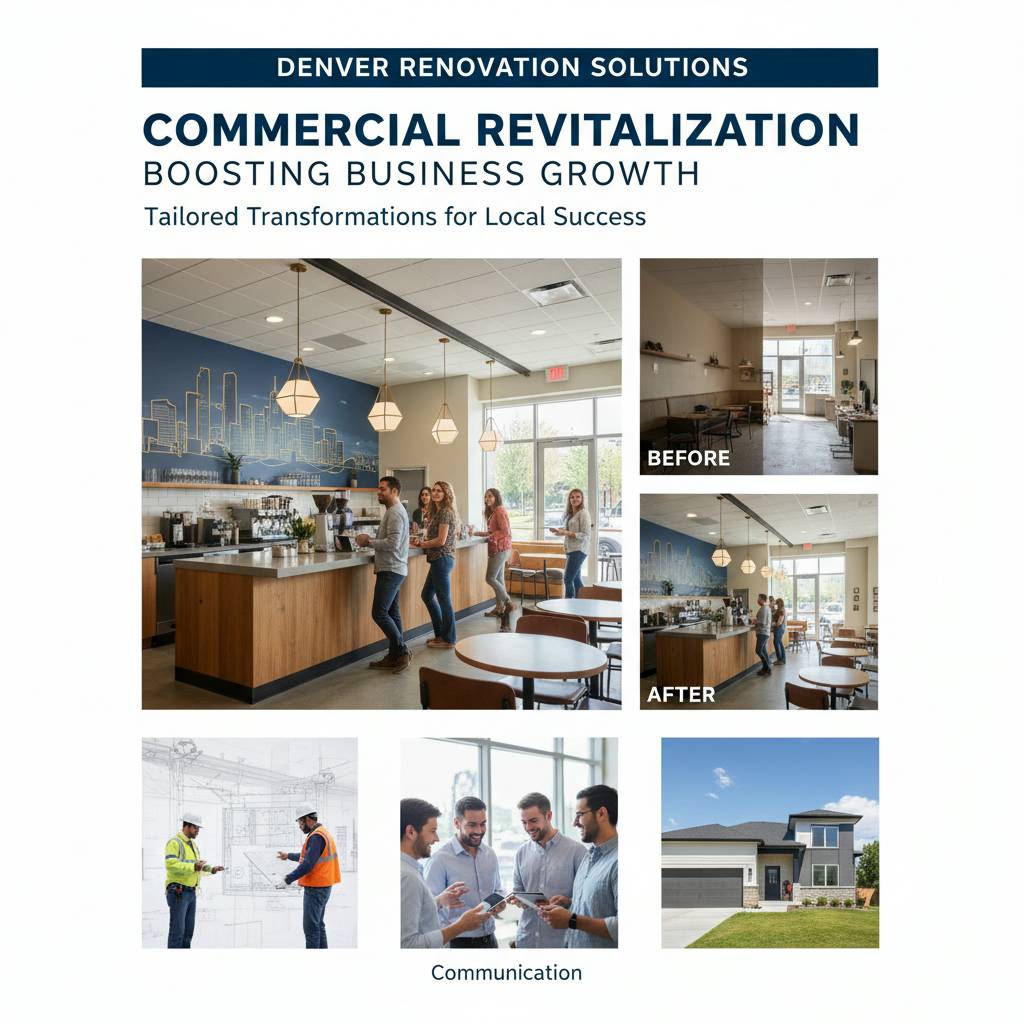 Small-format retail: A neighborhood boutique reworked a cramped entrance and installed directional lighting on new feature racks. The result was a faster flow from door to product, a 12% uplift in conversion rate, and a 9% increase in average transaction value within three months. The customer feedback highlighted improved product visibility and a more purposeful shopping experience.
Caf and quick-service environment: By reorienting the queue, updating surface finishes for cleanliness, and layering pendant lighting over display cases, a caf reduced perceived wait time and increased impulse pastry purchases. Dwell times rose slightly, but conversion on add-on items grew by roughly 18%, demonstrating how environmental cues can change purchase behavior without raising foot traffic.
Showroom and consultation spaces: For a boutique furniture showroom, Riley Riley Construction introduced distinct vignette zones, warmer accent lighting, and improved acoustics. Visitors reported stronger clarity about product pairings and spent more time in consultation areas. Over six months, the showroom saw a 20% increase in closed deals for curated sets, illustrating how thoughtful staging and finishes elevate perceived cohesion and value.
Implementation roadmap and realistic timelines
A clear, phased approach reduces downtime and spreads cost. Start with a discovery audit to identify friction points and priority opportunities. Quick wins-like improved signage, targeted lighting upgrades, and rearranged displays-can be executed in days or weeks. More extensive work, such as reconfiguring walls, upgrading power and HVAC for new lighting, or replacing flooring, will require longer lead times but are scheduled to minimize customer disruption.
- Phase 1: Audit and concept (1-3 weeks) - customer flow analysis, material selection, preliminary budget.
- Phase 2: Pilot and quick wins (2-6 weeks) - implement test changes and measure impact.
- Phase 3: Full rollout (4-12 weeks) - staged construction, staff training, and final analytics setup.
Budgeting should reflect scope and goals. Minor cosmetic and lighting updates can fall in the low thousands, while full reconfigurations or premium finish installations will be larger investments. Riley Riley Construction helps estimate realistic ranges and creates staged budgets that match short- and long-term sales objectives. When you factor in measured conversion uplifts, these investments are often justified within months.
Common concerns and how we address them
Business owners often worry about downtime and cost. We mitigate both through phased scheduling during off-hours, pop-up service strategies, and pilot installations that prove value before committing to larger expenditures. Another concern is maintaining brand continuity; renovations should amplify, not overwrite, your identity. Our approach blends practical behavior-based design with brand-sensitive finishes and fixtures so improvements feel authentic and intentional.
Maintenance and durability are frequently overlooked. By selecting low-maintenance materials for high-traffic areas and reserving premium finishes for focal points, you maintain a polished look with less ongoing expense. Staff training on new layouts and displays also ensures that the customer experience remains consistent; a great design is sustained by thoughtful operations.
Next steps: pilot projects and low-risk testing
Start small to validate impact: choose a high-traffic area, implement a design change for 8-12 weeks, and measure results. Pilots reduce risk and create internal champions as staff see the benefits firsthand. Simple experiments-like swapping fixture temperature, re-tuning a display, or adjusting aisle widths-can reveal large returns on modest investments.
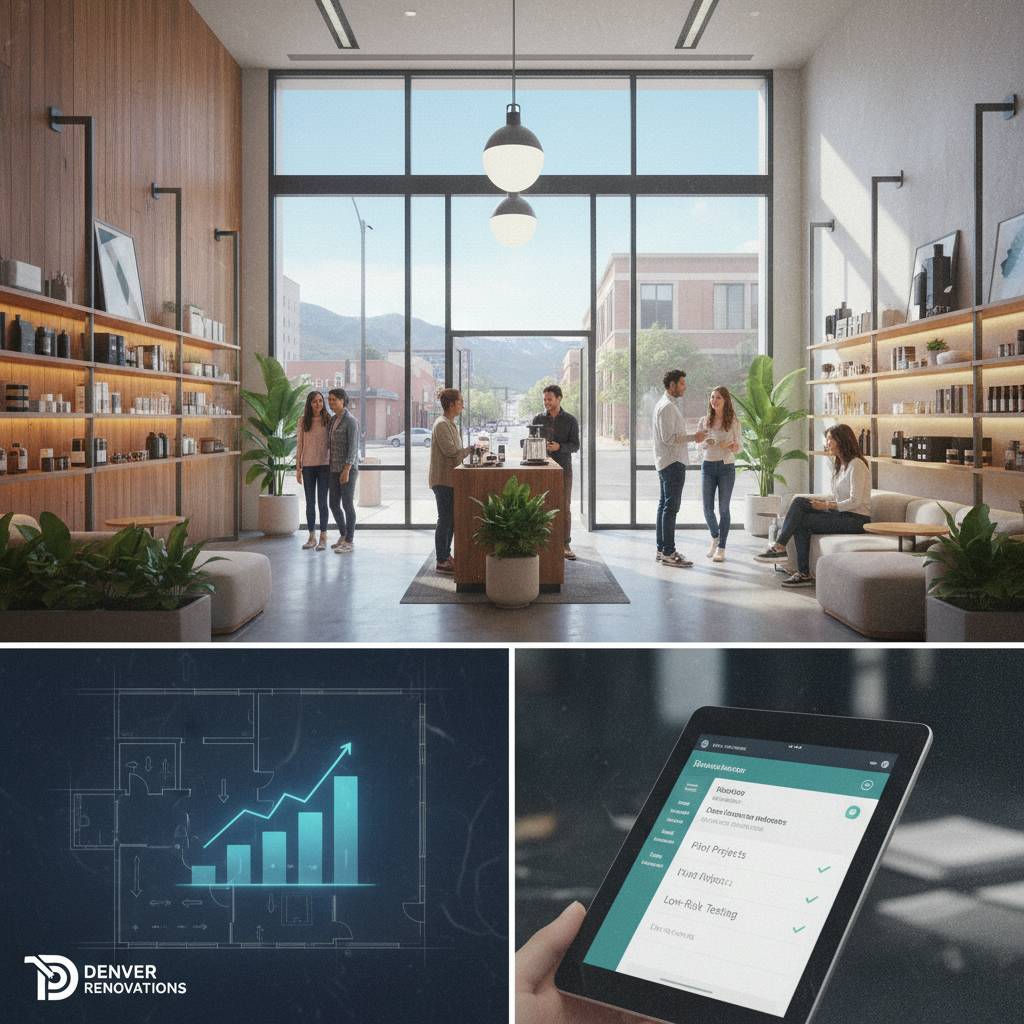
Riley Riley Construction can help scope pilots and set up the analytics to capture meaningful outcomes. We prioritize changes that are reversible and low disruption so you retain flexibility while pursuing better conversion rates. If you'd like a practical, staged plan tailored to your space, we'll review your layout and recommend the highest-impact upgrades.
Get started with a focused upgrade plan
Improving customer experience through renovations is a strategic investment in sales performance. By aligning layout, finishes, and lighting with how people actually shop, you create an environment that nudges decisions toward purchase-consistently and measurably. Riley Riley Construction brings design discipline, behavioral insight, and measurable goals to each project so you can justify investment with clear outcomes.
Ready to review upgrades that support your sales goals? Contact Riley Riley Construction to schedule a no-obligation assessment. Call 17207828897 to set up a walkthrough and discuss a phased plan that fits your timing and budget. We measure design impact so you can make confident, revenue-focused decisions that improve customer experience and conversion rates.