Cost-Effective Tenant-Ready Renovations to Boost Rent
Landlords want tenant ready updates that lift rents without overspending. Riley Riley Construction focuses on durable finishes that attract quality tenants. Call 17207828897 to review cost effective options for your units. We prioritize upgrades that increase net rental income.
As a landlord, the pressure to keep units rented with high-quality tenants while controlling renovation expenses is constant. Thoughtful, targeted updates can push rents higher without ballooning costs-and that's where a strategy focused on durable finishes and smart selection wins. In this guide we walk through practical renovation choices, cost ranges, and a simple decision framework to help you make improvements that tenants notice and owners appreciate. If you want a quick review of options that fit your portfolio and budget, Riley Riley Construction can help you prioritize based on expected impact and longevity.
Why pragmatic tenant-ready renovations matter
Not every renovation moves the needle equally. Cosmetic or trendy choices may look great in the short term, but they can fail quickly and generate maintenance headaches that erode net income. Durable materials, timeless color palettes, and sensible fixtures create an impression of quality that attracts long-term tenants and reduces turnover. Focusing on longevity - not just visual flash - reduces vacancy and keeps maintenance costs down, which together improve your bottom line.
Beyond materials, tenants increasingly value functional updates: better lighting, efficient appliances, clear storage solutions, and durable flooring that's easy to clean. These translate directly into perceived value, enabling landlords to command higher rents. When scoped correctly, cost-effective tenant-ready renovations to boost rent include upgrades that tenants care about most while keeping installation and life-cycle costs reasonable for owners.
High-impact, low-cost improvements that tenants notice
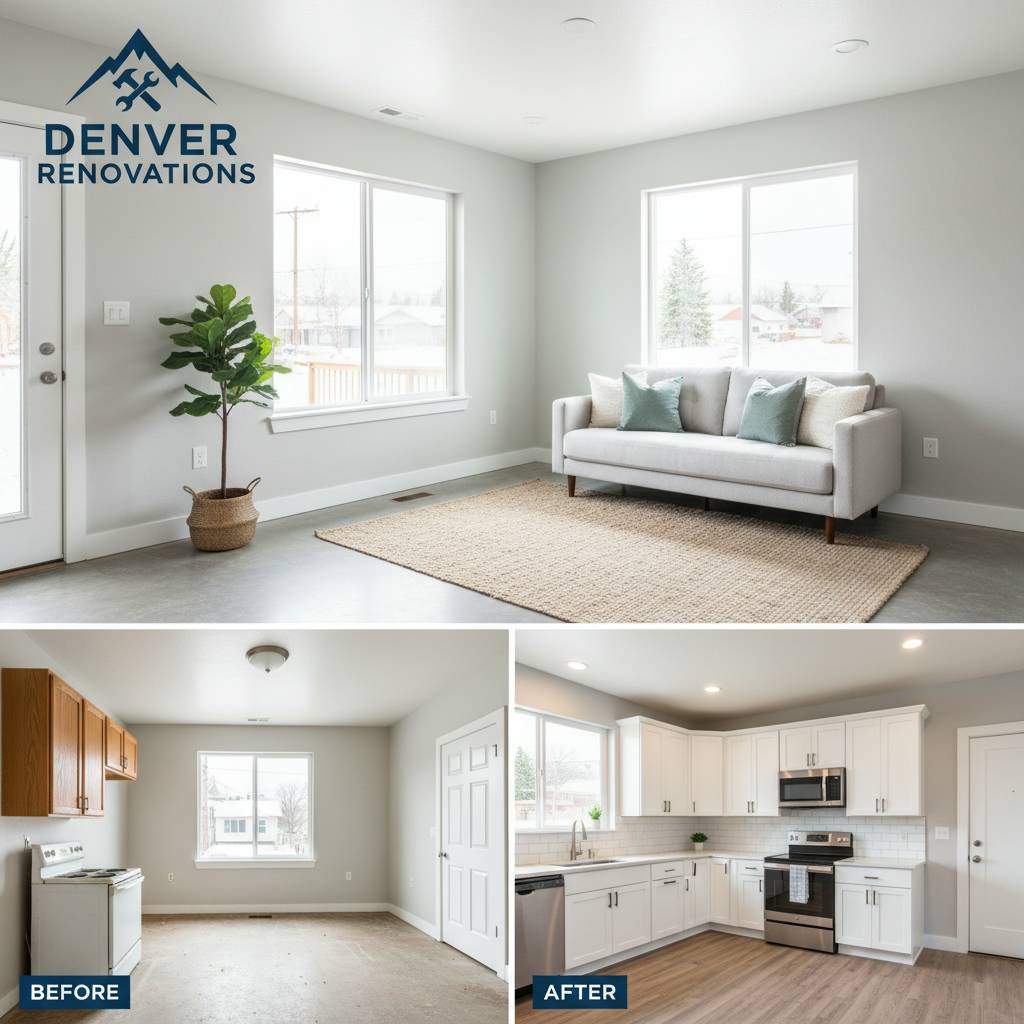 Certain updates provide disproportionate return on investment because they address daily pain points. Repainting in neutral tones refreshes spaces affordably and pairs well with relatively small hardware upgrades. Replacing dated cabinet hardware, installing energy-efficient lighting, and swapping in a modern but durable faucet are all examples of low-cost touches that significantly improve perceived quality. These changes are inexpensive and quick to execute yet create a cohesive, modern look tenants appreciate.
Flooring is often a make-or-break element for tenants. Instead of expensive hardwood, consider high-quality luxury vinyl plank (LVP) or commercial-grade laminate, which resist scratches, handle moisture, and are easy to clean. These materials can typically be installed with a capital expense in the mid-range and last many years, so they help justify a moderate rent increase while minimizing turnover expenses.
Examples of low-to-mid cost updates
- Repaint walls and trim in neutral colors: $200-$600 per unit depending on size.
- Install LVP flooring in high-traffic areas: $2.50-$6.50 per sq ft installed.
- Swap out cabinet hardware and light fixtures: $75-$200 total for a kitchen refresh.
- Upgrade bathroom fixtures (faucet, showerhead, vanity hardware): $150-$500.
- Replace old, inefficient appliances with ENERGY STAR options: $300-$900 per appliance.
Durable finishes landlords should prioritize
Choosing the right finishes begins with understanding lifecycle cost and tenant behavior. Durable finishes reduce replacement frequency and maintenance calls. For countertops, quartz or solid-surface materials resist stains and scratches better than laminate and often present well to prospective tenants. For cabinets, a good paint and a set of durable knobs or pulls can be more cost-effective than a full replacement while delivering the look of a higher-end unit.
In bathrooms, porcelain or glazed ceramic tiles and fiberglass or acrylic shower surrounds offer longevity and easy cleaning. Fixtures with a brushed finish hide fingerprints and wear better than polished chrome. For walls and trim, durable semi-gloss paints in high-traffic zones make cleaning scuffs easier and extend the time between repaint cycles. These choices add up: the incremental cost of resilient materials is typically paid back in lower turnover and repair expenses.
Materials checklist for longevity
- Flooring: commercial-grade LVP or porcelain tile in moisture-prone areas.
- Countertops: quartz or high-quality solid-surface for kitchens and wet bars.
- Cabinets: repaint and refinish when possible; full replacement for severely worn units.
- Paint: mildew-resistant, washable paint in kitchens and bathrooms.
- Hardware: solid brass or stainless-steel cores for locks and hinges.
How to plan renovations that actually increase net rental income
Start with a simple framework: prioritize items that raise perceived value, lower operating cost, and reduce turnover risk. Measure expected incremental rent against the total project cost and anticipated lifespan of the upgrade. A 5-year simple payback is often reasonable for landlords who turn units frequently, while longer paybacks may be acceptable for stable, long-term rentals. Estimate how much rent you can realistically add for each improvement and be conservative with projections.
Implementation sequencing matters. Address deferred maintenance and systems (heating, cooling, plumbing, electrical) before cosmetic changes - tenants value reliability over style. Once systems are sound, focus on high-visibility updates that are durable and coordinated. Bundling projects allows you to capture contractor efficiencies and reduce per-unit costs: painting multiple units at once, scheduled flooring installs, or bulk appliance purchases can significantly lower line-item prices.
Step-by-step renovation plan
- Inspect and resolve safety, code, and system issues (HVAC, smoke detectors, plumbing).
- Standardize finishes and colors across units for brand consistency and faster turnover.
- Invest in durable flooring and closet/storage solutions to address daily wear.
- Add energy-efficient appliances and lighting to reduce operating costs and appeal to renters.
- Stage and photograph the unit professionally for listings to justify the rent increase.
Budgeting, cost examples, and payoff expectations
 Having realistic cost expectations helps you decide which projects to do now and which to delay. Below is a compact table that compares typical upgrades, their estimated cost ranges, expected years of benefit, and the types of tenants most likely to respond to each upgrade. These ranges are broad, but they offer a decision-making baseline when planning multiple units.
| Upgrade | Estimated Cost Range | Expected Lifespan | Tenant Appeal |
|---|---|---|---|
| Repaint (neutral tones) | $200-$600 | 3-7 years | Broad, immediate aesthetic improvement |
| Luxury vinyl plank flooring | $2.50-$6.50 per sq ft | 7-15 years | Young professionals, families |
| Kitchen refresh (hardware, faucet, light) | $75-$200 | 5-10 years | Quality-focused renters |
| ENERGY STAR appliances | $300-$900 per appliance | 7-12 years | Eco-conscious, long-term renters |
| Bathroom retrofit (fixtures, vanity) | $150-$1,500 | 7-12 years | All tenant types |
Consider the combined effect of several mid-cost updates rather than a single high-cost upgrade. For example, pairing LVP flooring with updated lighting and painted cabinets often looks cohesive and modern, enabling you to price the unit higher than the sum of the parts would independently justify. Run a simple sensitivity analysis: how much additional rent does the market support, and how many months will it take to breakeven? That math will guide which packages you offer across your portfolio.
Smart ways to reduce upfront costs without sacrificing quality
Reducing costs does not mean cutting quality. Purchasing materials in bulk, standardizing finishes across units, and working with reputable contractors on a repeat basis leads to negotiated savings and faster turnaround times. Consider refurbished but certified appliances for secondary markets where full new-unit prices are not justified. Local vocational programs or contractor partnerships can also yield competitive labor rates while maintaining acceptable quality.
Another strategy is to phase projects by priority: do high-impact, low-cost items first (paint, flooring in living areas, and lighting), and plan for mid-range expenses (kitchen counters, full bath replacements) during naturally scheduled vacancy periods. This minimizes lost rent exposure and leverages timing to reduce the need for costly expedited work.
Ways to maintain quality on a budget
- Standardize to 2-3 approved color palettes and material selections to simplify procurement.
- Buy appliances and fixtures in bulk to access dealer discounts or contractor pricing.
- Schedule maintenance and updates during tenant turnover windows to avoid vacancy loss.
- Document approved repair and finish specifications to reduce variation and rework.
Case study snapshots: measurable results from targeted upgrades
Small portfolios often see the quickest wins. In one example, a property manager replaced worn carpet with LVP, repainted, and upgraded kitchen hardware across eight units. The total project cost averaged $1,200 per unit, but within three months the manager increased rent by $75-$125 per month depending on unit size. Turnover decreased because the units felt modern and were easier to maintain, pushing net rental income up noticeably in the first year.
In another instance, replacing old appliances with ENERGY STAR models and adding LED lighting reduced common-area energy consumption and attracted long-term tenants who valued lower utility bills. The perceived quality improvement gave the landlord leverage to align rents with comparable modernized properties in the neighborhood, recovering the investment in 18-30 months depending on utility savings and market lift.
Frequently asked questions
How do I choose which unit to upgrade first?
Choose the unit that either has the highest vacancy risk or the one most likely to produce a quick rent bump. Assess comparative market rents for different unit types and focus on turning units that are below market. A quick refresh on a single unit can be a powerful test case before rolling updates across a portfolio.
Will tenants pay more for durable finishes?
Yes-tenants commonly equate durable finishes with lower hassle and better living conditions. Durable materials like LVP flooring, solid-surface countertops, and quality fixtures signal value, reduce complaints, and justify modest rent increases. The key is to balance cost with tenant expectations in your submarket.
How do I present these upgrades to prospective tenants?
Highlight durability, low maintenance, and energy savings in marketing copy and showing notes. Use phrases like easy-care flooring, energy-efficient appliances, and recently refreshed kitchen and bathroom to quickly communicate practical benefits that matter to renters' everyday lives.
Next steps and how Riley Riley Construction can help
If you're weighing which updates to make across a single building or an entire portfolio, a short consultation can save time and money. Riley Riley Construction evaluates your units, recommends prioritized projects tailored to local market demand, and outlines rough cost and expected rent lift so you can make informed decisions. We emphasize durable finishes, standardization, and realistic return timelines to protect and grow your rental income stream.
To get started, call 17207828897 for a no-pressure review. We can walk through typical cost ranges, suggest package combinations for different budgets, and share examples from landlords who successfully increased net rent without overspending. If you prefer email or a site visit first, we'll accommodate your preferred approach and schedule a short assessment.
Ready to transform your units into tenant-ready spaces that lift rents sensibly and sustainably? Contact Riley Riley Construction at 17207828897 today. We'll help you focus on cost-effective tenant-ready renovations to boost rent, protect your capital, and attract high-quality tenants.
Thank you for considering Riley Riley Construction-we look forward to helping you increase net rental income while keeping long-term costs and tenant turnover to a minimum.